 Sonith Manakkat
Technical Projects Manager and Architect
Kerala, India
Focus: DeliveryArchitectureIndustrial automationAI-assisted building
I plan and deliver software, and in my own time I build small private Android apps.
- 15+years in software delivery
- 24small Android apps prepared for Google Play
- Thousandsof automated tests across the apps
About me
I am a Technical Projects Manager and Architect based in Kerala, India, working across delivery management and architecture. I have worked in software for more than 15 years, moving from project executive roles into project and delivery management, architecture and technical leadership.
I plan and deliver software. I break work into batches, keep several tracks moving and track status honestly. I set product direction and make decisions quickly, and I am comfortable learning unfamiliar platforms such as app stores, cloud consoles, and signing and release processes.
My background is in requirements analysis and Agile methods, across Delphi, the MEAN stack, Xamarin and ASP.NET. I hold a Master of Computer Applications from Bangalore University and a SAFe 5 Agilist certification. I work on industrial automation software using PLCs and C#, including digital twins built with simulators.
I care about privacy and quality. Away from my day job I design and prepare small offline Android apps for everyday jobs, using AI-assisted development and agents: I direct the product, review quality and run the release process. I build these apps on my own time as a solo developer.
What I do well
- I learn new technologies quicklyI have worked across ASP.NET MVC and Core, Delphi, the MEAN stack, Xamarin and Azure, and I now build Android apps end to end.
- Architecture and technical designI design solution architecture and guide technical decisions alongside delivery.
- Planning and deliveryBreaking work into batches and keeping several tracks moving at once.
- Honest statusTracking progress as it really is, so decisions rest on facts.
- Domain knowledgeI understand how warehouse operations and financial software work, and I design software that fits them.
- Product directionSetting the direction and making decisions quickly.
- Learning new platformsComfortable with unfamiliar app stores, cloud consoles, and signing and release processes.
- Privacy and qualityApps that keep data on the phone, show no ads and are tested before release.
Career
- Technical Projects Manager, with architecture responsibilities2025 to present
- Architect2024 to 2026
- Technology Specialist, then Technology II Specialist2018 to 2024
At a global IT services company, about 6 years. Skills included ASP.NET MVC, ASP.NET Core, HTML and CSS.
- Project Lead, then Senior Project Lead2015 to 2018
At a software solutions company.
- Senior Project Executive2010 to 2015
Skills
- Requirements analysis
- Agile methodologies
- SAFe
- Delphi
- MEAN stack
- Xamarin
- C# and .NET
- ASP.NET MVC
- ASP.NET Core
- Clean Architecture
- HTML
- CSS
- Microsoft Azure
- Project and delivery management
- Technical leadership
- Solution architecture
- System design
Delivered with AI-assisted development
- AI-assisted software development and agent orchestration (multi-agent workflows)
- Product ownership and roadmap planning (a portfolio of 20+ apps delivered in batches)
- Product specification writing (authored a full product and technical spec with a screen-by-screen prototype)
- Android app delivery (React Native with Expo, Capacitor, local Android builds, app signing)
- Google Play publishing (Play Console, release tracks, store listings, data-safety and content-rating declarations, Play developer API automation with a service account)
- Release engineering and CI/CD (GitHub Actions workflows for Android and iOS builds, GitHub Pages)
- Quality and test strategy (thousands of unit tests, scripted UI smoke tests with Maestro, random-input stress testing, release verification)
- Privacy-by-design and policy compliance (privacy policies, data-safety answers, children's-app (Families) policy awareness)
- On-device AI product design (privacy-first, offline LLM-based design tool)
- Network security product design (home-router filtering with OpenWrt and AdGuard DNS: designed, hardware test pending)
- Technical documentation (design docs, runbooks, guides)
- Static websites and developer branding
These are skills I have used to deliver real projects with AI tools; the work is documented in my apps.
Domains
- Industrial automation
- PLC
- Digital twins
- Simulation
- Warehouse and logistics
- Financial software
Explained in plain language: how a warehouse management system works, software in finance, and digital twins and simulators.
Engineering craft: .NET Core and Clean Architecture
I build on .NET Core and organise code with Clean Architecture, so that the important business rules stay independent of frameworks, databases and screens.
- Layers with one ruleDomain, application, infrastructure and presentation layers, with dependencies pointing inward only.
- Business rules firstDomain-driven thinking: model the real business before choosing tools.
- Tests that run fastBecause the core does not depend on a database, its automated tests are quick and run often.
- APIsWeb APIs on ASP.NET Core that keep the outside world separate from the internal model.
New to the idea? Read Clean Architecture in .NET Core, explained simply.
Trading platform
SBAT: an AI-integrated automated trading platform I am building
SBAT is a personal engineering project. It is designed so that nothing acts without passing through checks, and so that the system can decide to do nothing.
- Market data collectorTakes snapshots of market data and knows the trading sessions and holidays, so it does not record a closed market.
- Decision layerIncludes an abstention gate: it can decide not to trade, and it gives a reason code when it does.
- Risk engineSizes a position and runs deterministic checks before any order is allowed through.
- Order state machineEvery order moves only along allowed transitions, and those transitions are covered by tests.
- Operator consoleA web console for system health, sessions, risk, the gate, order states, settings and restrictions.
- Risk checks run before any order.
- An abstention gate can decide not to trade, with reason codes.
- A tested order state machine.
- A market-calendar-aware data collector.
Built so far: the collector, the decision gate, the risk engine, the order state machine and an operator console, backed by hundreds of automated tests. Some console screens and the services behind them are deliberately marked planned until the backend exists, rather than showing screens with nothing behind them. It runs as paper trading only: no order is sent anywhere.
A personal research and engineering project. Not investment advice and not offered to others.
New to the subject? Read the plain-language series Trading explained: markets, orders, options, risk and how automated systems are built. General education only.
Forward Deployed Engineering: Built for the front line
I am interested in Forward Deployed Engineering: working close to the people who use the software, learning their domain and shipping something that works for them.
- Understand the problem on siteI start from the real problem and the people who have it. My background in requirements analysis and delivery management helps me ask good questions and keep track of what has been decided.
- Learn the domain fastI pick up new technologies and domains quickly. Over my career that has meant ASP.NET, Delphi, the MEAN stack, Xamarin and Azure, and today it includes industrial automation with PLCs and C#, including digital twins built with simulators.
- Build and ship the working thingI take work from idea to release. On my own time I have designed and prepared 24 small Android apps end to end with AI-assisted development, including signing, store and release processes, and I am building a trading-platform engineering project.
- Stay and iterate with the userI track status honestly and keep the loop short: put something in front of the user, learn from it and feed that back into the product.
Want to talk about this kind of work?
What I am interested in
I am interested in Forward Deployed Engineering: working close to users and customers and understanding their domain. I like shortening the loop between a real problem and a working solution, and feeding what is learned back into the product.
Education
- Master of Computer Applications (MCA), Computer EngineeringBangalore University, 2001 to 2004
Certifications and learning
- Certified SAFe 5 AgilistScaled Agile. Issued Nov 2021
- Microsoft Certified: Azure Developer AssociateExpiredMicrosoft. Issued Feb 2022, expired Feb 2023
- Mobile development and web development challengesMicrosoft Virtual Academy. Completed Feb 2015
- Agentic AI Fundamentals: Architectures, Frameworks, and ApplicationsCompleted Dec 2024
Languages
English, Hindi
On my own time
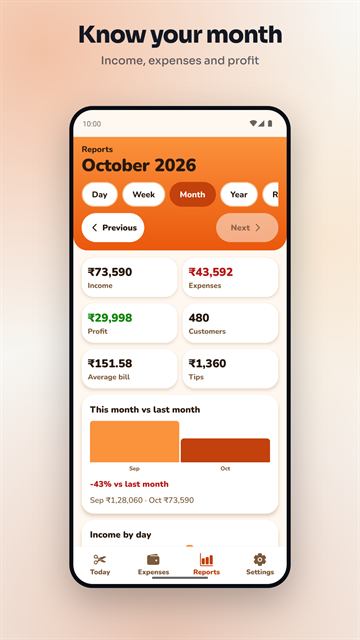
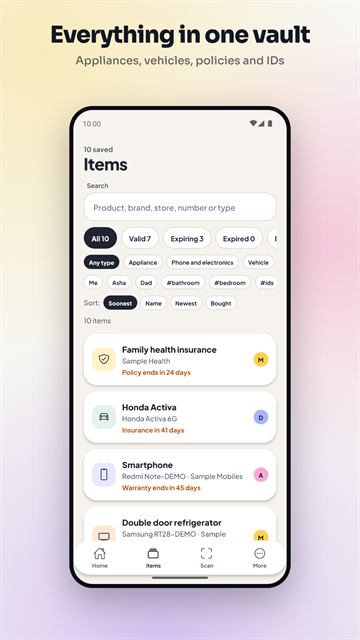
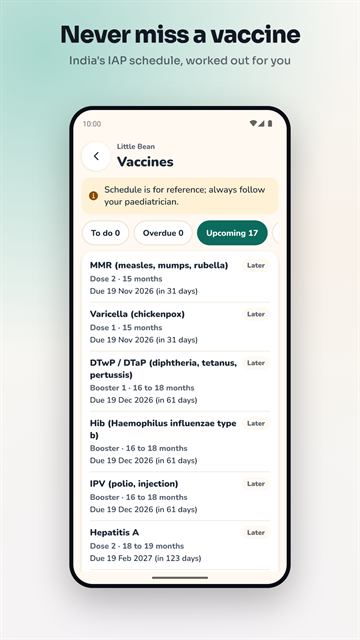
I design and prepare a portfolio of more than 20 small Android apps, being prepared for Google Play. Each one does a single everyday job for shops, homes, families or kids, keeps its data on the phone and shows no ads. Here are three of them.





















-

Barber Book: Salon Accounts
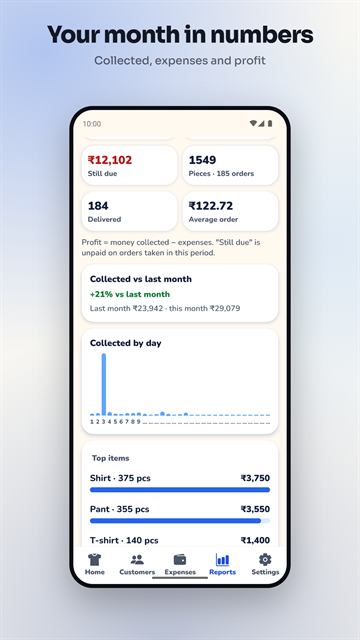
In testingOne-tap sales, expenses and reports for your barber shop. Works offline.
-

Warranty Vault
In testingKeep warranties and documents in one place and get reminded before they expire.
-

Kid Health Book: Vaccines
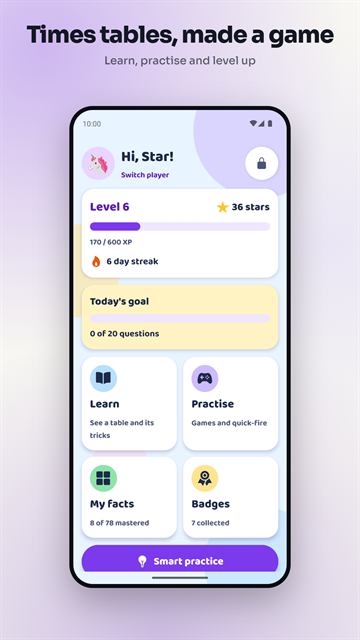
In testingYour child's vaccines, growth, doctor visits and medicines. Private, offline.
Privacy policyGoogle Play: coming soon
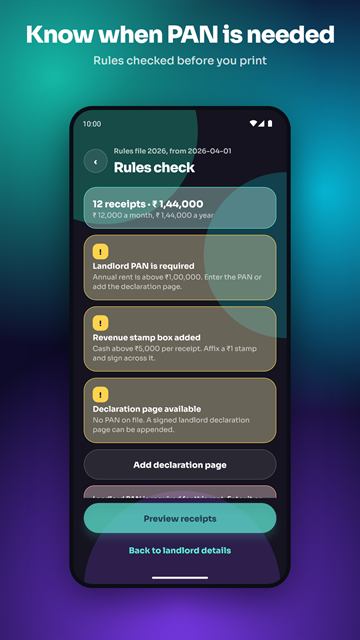
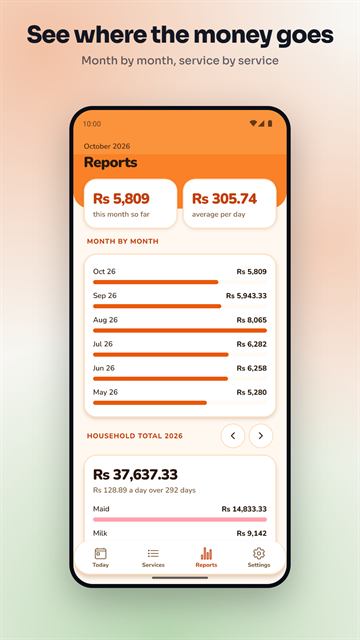
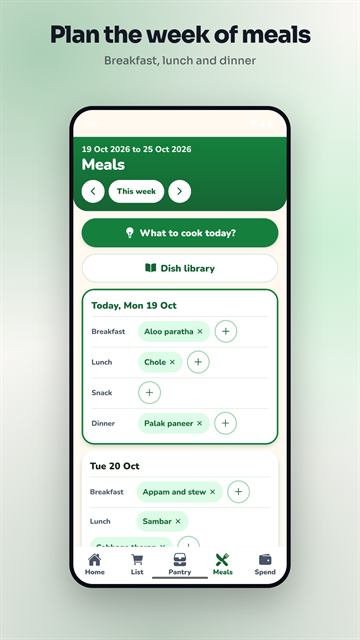
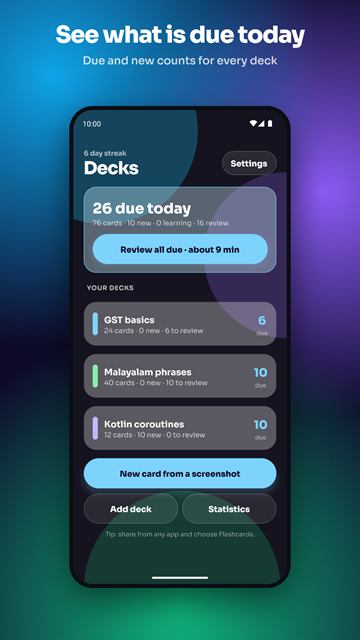
Some of what I have built
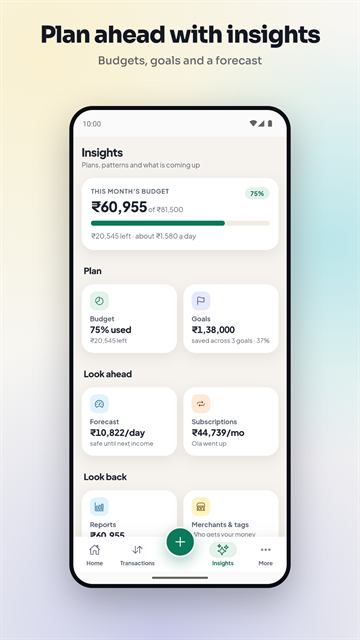
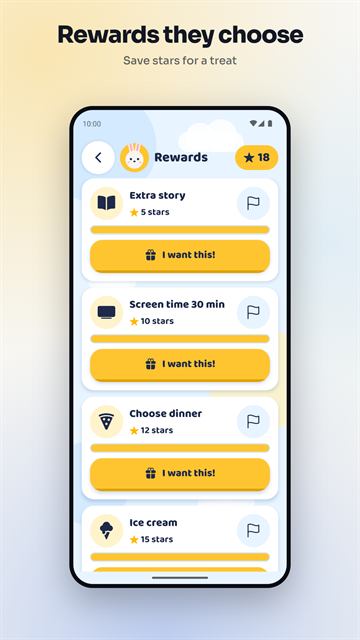
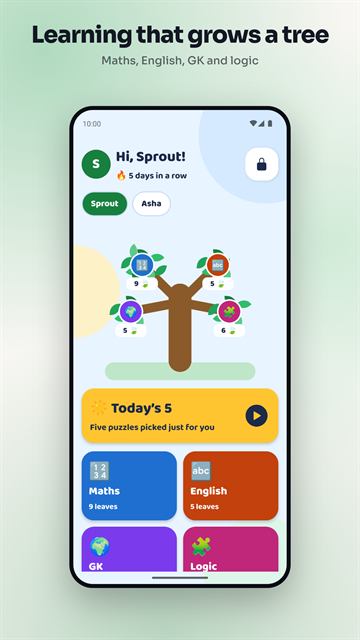
Screens from a few of the apps, shown with sample data. Swipe, scroll or use the buttons.
Featured articles
Plain-language explanations of AI tools, software engineering and the industries I work in.
What is Claude AI? A plain-language guide
Who makes Claude, what a language model is, what it can and cannot do, and how people use it, with the newest models as of 21 October 2026.
Forward Deployed Engineering explained
What a forward deployed engineer does, where the term comes from, how the role differs from nearby roles, and how AI is making it more important.
Clean Architecture in .NET Core, explained simply
A kitchen analogy for layers, the one rule that makes the design work, a small C# example, what it does for testing, common mistakes, and when not to use it.